How to use your results
GPTSee shows a text version of the HTML it fetched, without running JavaScript. Use it to check whether the page’s essential information is included in the extracted text. Each report describes that fetch; it does not predict search rankings or exactly what an AI service will use.
Check the page’s essential information
Start with these three checks, then use the detailed checklist below to review headings, images and links.
- Business identity. The text names the business or author responsible for the page.
- Products and services. The offer, intended audience and relevant locations are stated.
- Supporting details. Prices, specifications, reviews and contact details are included where relevant.
What a good page looks like after parsing
This example includes the product, ingredients, business location, customer reviews and a link to the product page in both the webpage and its extracted text.
Organic soap for dry, sensitive skin
Sam's Organic Soap makes small-batch bars with organic olive oil, shea butter, and natural essential oils.
- Handmade in Portland since 2018
- No synthetic fragrance, dyes, or palm oil
- Rated 4.9/5 from 1,200+ customer reviews
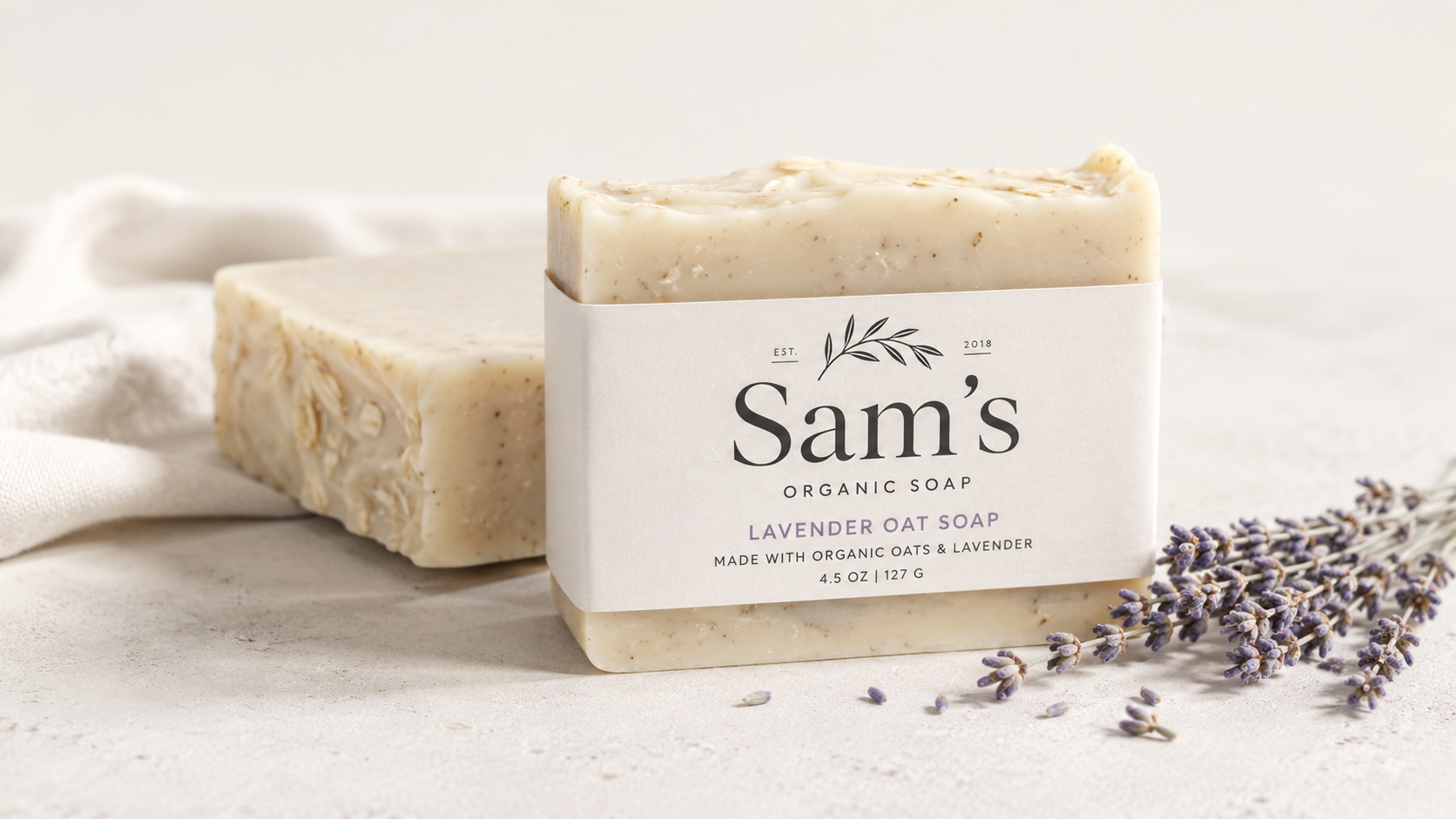
Image: Sam's Organic Soap logo
Link: Soap bars
Link: Ingredients
Organic soap for dry, sensitive skin
Sam's Organic Soap makes small-batch bars with organic olive oil, shea butter, and natural essential oils.
- Handmade in Portland since 2018
- No synthetic fragrance, dyes, or palm oil
- Rated 4.9/5 from 1,200+ customer reviews
Link: Shop organic lavender oat soap
Image: Lavender oat soap bar beside dried lavender
Why this parses well
The parsed version gives an LLM the same core information a shopper sees in the rendered page.
- Clear H1: Organic soap for dry, sensitive skin
- Useful alt text: Lavender oat soap bar beside dried lavender
- Specific proof: Small-batch soaps made in Portland since 2018, with 1,200+ customer reviews.
- Readable CTA: Shop organic lavender oat soap
AI search page content checklist
Work through the parsed result in order. If something important is missing, add it as clear HTML text rather than relying on images, JavaScript, or visual layout.
Page purpose
- The page has one clear job.
- A stranger could read the parsed result and explain what the page is about in one sentence.
- The page clearly says who it is for.
- The page clearly says what problem it solves.
Title and metadata
- The page title describes the actual page, not just the brand.
- The meta description works as strong marketing copy: clear purpose, strong positioning, persuasion, and a reason to care.
- The page title, meta description, H1, and opening paragraph all support the same message.
Headings
- The page has one H1 that acts as the primary page heading.
- The main page heading is easy to identify; a menu or banner heading may appear before it.
- The H1 clearly describes the purpose of the page.
- Headings follow a logical order: H1, then H2s, then H3s where needed.
- Each heading helps a reader scan and understand the page.
Body copy
- Paragraphs sit below the right headings.
- The text under each heading supports the purpose of that heading.
- The important details appear in the initial HTML. Tabs, dialogs, and animations can stay when their text is already present.
- The parsed result includes the facts a customer would need: service, product, location, price, proof, process, contact details, or FAQs.
Images
- Important images have useful alt text.
- Images are not carrying meaning that is missing from the text.
- If a graph, diagram, or image makes an important point, the same idea is also described in nearby copy, a caption, or alt text.
Links and CTAs
- Link text describes the destination.
- Avoid vague anchors like "click here", "read more", and "learn more" unless the surrounding text makes the destination clear.
- Navigation uses anchors with destination URLs; in-page actions use buttons.
- CTAs are not only images, icons, or JavaScript-rendered elements.
- Key CTAs can be read from the parsed result.
Proof and specifics
- The page gives reasons to trust the business.
- Claims are backed by specifics: reviews, credentials, years in business, case studies, awards, examples, locations, pricing, guarantees, or clear limitations.
- The page avoids vague claims that any competitor could say.
Check your own page
If something important is missing, compare the output with the fetched HTML and the live page. Confirm why it is absent before changing the site, then parse again to check the result.